
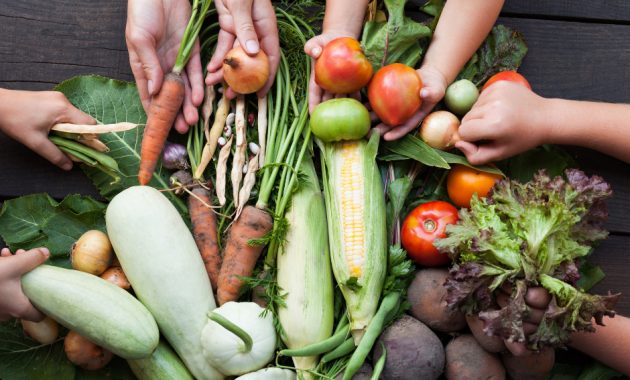
In today’s world, where food choices impact not only personal health but also the planet, adopting a sustainable diet has become essential. Many people believe that eating sustainably means strict limitations or giving up their favorite foods, but in reality, a well-balanced approach allows for both nourishment and enjoyment.
This Guide to Sustainable Diet Guidelines will explore how to create a diet that is nutritious, environmentally responsible, and enjoyable. From choosing local and seasonal foods to reducing waste and balancing essential nutrients, a sustainable diet is about making mindful choices that benefit both individuals and the world around them.
What Is a Sustainable Diet?
A sustainable diet is a way of eating that supports long-term health while minimizing environmental harm. It focuses on consuming nutrient-dense foods that are produced in an environmentally responsible manner, reducing waste, and ensuring that food production remains viable for future generations.
Unlike restrictive diets, sustainable eating encourages flexibility and personal preferences while maintaining a commitment to responsible consumption. The goal is to find a balance that supports well-being without compromising planetary resources.
Why Sustainable Diets Matter
Health Benefits
Eating a sustainable diet naturally leads to better health by prioritizing whole, nutrient-rich foods while avoiding overly processed and artificially modified ingredients. Fresh fruits, vegetables, whole grains, and plant-based proteins are staples of a sustainable diet, providing essential vitamins, minerals, and antioxidants that reduce the risk of chronic diseases.
Environmental Impact
Food production is a significant contributor to greenhouse gas emissions, deforestation, and water pollution. By choosing sustainably sourced foods, reducing food waste, and supporting ethical farming practices, individuals can help lower their carbon footprint.
Economic and Social Impact
Sustainable diets support local economies and food systems by encouraging the consumption of locally sourced and seasonal foods. This helps small-scale farmers and ensures food security for future generations. Additionally, reducing food waste makes food systems more efficient and equitable.
Key Principles of Sustainable Diet Guidelines
Eat More Plant-Based Foods
Plant-based diets have a lower environmental impact compared to diets high in animal products. Incorporating more fruits, vegetables, legumes, nuts, and seeds into daily meals helps reduce the demand for resource-intensive food production. This doesn’t mean eliminating meat altogether but rather reducing its consumption and choosing responsibly sourced options.
Prioritize Seasonal and Local Foods
Eating seasonal and locally grown foods minimizes the carbon footprint associated with transportation and storage. Seasonal produce is also fresher, tastier, and more nutrient-dense. Farmers’ markets and community-supported agriculture (CSA) programs are great places to find locally grown options.
Choose Whole and Minimally Processed Foods
Highly processed foods often contain artificial additives, excessive packaging, and require significant energy to produce. Opting for whole foods like fresh vegetables, whole grains, and natural proteins supports a healthier body and reduces environmental harm.
Reduce Food Waste
Food waste contributes to environmental pollution and economic loss. Planning meals, storing food properly, and using leftovers creatively can help minimize waste. Composting organic waste is another great way to reduce environmental impact.
Opt for Sustainable Protein Sources
Traditional meat production has a significant environmental footprint due to land use, water consumption, and methane emissions. Sustainable protein alternatives include plant-based options like beans, lentils, tofu, and quinoa. If consuming animal protein, opt for grass-fed, free-range, or sustainably caught seafood.
Mindful Dairy Consumption
Dairy farming has environmental challenges, including methane emissions and water consumption. Reducing dairy intake or choosing plant-based alternatives such as almond, oat, or soy milk can contribute to a more sustainable diet.
Drink Responsibly
Bottled drinks contribute to plastic waste and require energy-intensive production. Drinking tap or filtered water, using reusable bottles, and choosing sustainably produced beverages can help minimize environmental harm.
Practice Ethical and Sustainable Sourcing
Reading labels and choosing products with certifications like organic, Fair Trade, and Rainforest Alliance ensures that food production follows ethical and sustainable practices. This supports responsible farming, fair wages, and environmental conservation.
How to Transition to a Sustainable Diet
Start with Small Changes
Adopting a sustainable diet does not require drastic changes overnight. Gradually incorporating more plant-based meals, reducing food waste, and choosing sustainable food options can make the transition smoother and more manageable.
Plan Meals Thoughtfully
Meal planning helps reduce impulsive food purchases, minimizes waste, and ensures that meals are nutritionally balanced. Preparing meals at home also allows for better control over ingredients and portion sizes.
Cook More, Eat Out Less
Home-cooked meals are typically more sustainable than restaurant meals, as they allow for better ingredient selection and less food waste. Cooking also enhances the appreciation of fresh, whole foods.
Support Sustainable Brands
Many companies prioritize sustainability by using eco-friendly packaging, ethical sourcing, and sustainable production methods. Supporting these brands encourages the growth of responsible food industries.
Practice Moderation
A sustainable diet does not mean giving up all indulgences. It’s about moderation and making conscious choices. Enjoying favorite treats occasionally while maintaining a balanced and mindful approach to eating is key to long-term success.
Grow Your Own Food
Starting a small herb garden or growing vegetables at home can reduce reliance on store-bought produce and lower food costs. Gardening also fosters a deeper connection with food and sustainability.
Educate and Inspire Others
Encouraging friends and family to adopt sustainable eating habits helps create a larger impact. Sharing knowledge, recipes, and experiences can inspire others to make healthier, environmentally friendly choices.
FAQs About Sustainable Diet
What is the main goal of a sustainable diet?
A sustainable diet aims to balance human health with environmental responsibility by focusing on nutrient-rich foods while minimizing waste and reducing the impact on natural resources.
Do I have to be vegetarian to follow a sustainable diet?
No, a sustainable diet does not require eliminating meat. It encourages reducing consumption, choosing ethically sourced options, and incorporating more plant-based foods.
How does reducing food waste contribute to sustainability?
Reducing food waste prevents unnecessary use of resources like water, land, and energy while minimizing greenhouse gas emissions from food decomposition.
Are organic foods better for sustainability?
Organic foods often have a lower environmental impact because they avoid synthetic pesticides and promote biodiversity. However, local and seasonal foods can also be highly sustainable.
How can I make my diet more sustainable without increasing costs?
Buying in bulk, choosing seasonal produce, cooking at home, and reducing processed foods can make a sustainable diet more affordable while maintaining nutritional quality.
What are some easy ways to start eating sustainably?
Simple changes like incorporating more plant-based meals, reducing food waste, and shopping at local markets can make a big difference.
Can a sustainable diet still be enjoyable?
Yes, a sustainable diet is about balance and enjoyment. It encourages mindful eating, diverse flavors, and cultural food traditions while maintaining health and environmental consciousness.
Verdict
This Guide to Sustainable Diet Guidelines highlights that eating sustainably does not mean giving up delicious food or following strict rules. Instead, it encourages a balanced approach that supports personal health and environmental responsibility. By making small but impactful changes—such as choosing seasonal foods, reducing waste, and incorporating plant-based meals—anyone can adopt a sustainable diet that benefits both the individual and the planet. A sustainable diet is not a short-term solution but a long-term lifestyle choice that enhances well-being while preserving resources for future generations.

Zahra Thunzira is a Jakarta-based nutritionist and gym instructor. She’s also an adventure travel, fitness, and health writer for several blogs and websites. She earned her Master degree in Public Health from University of Indonesia.